
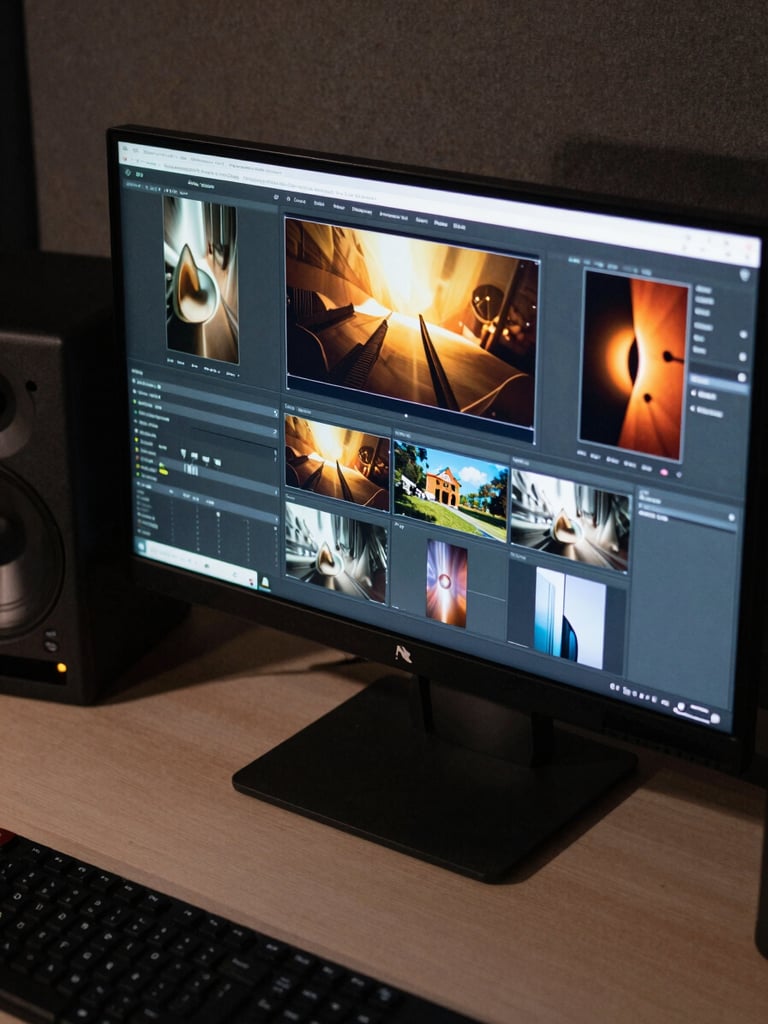
The brief directs the algorithm. Every frame is ours.
Algorithmic generation runs inside a directed brief — not around it. We set the parameters, evaluate every output, and edit before anything leaves the studio.
Three stages. One directed workflow.
01 — Brief sets the parameters
02 — Generation accelerates exploration
03 — Editorial edit before output
Before any generation runs, the brief defines intent: visual language, output constraints, and what failure looks like. The algorithm gets a scope, not a blank canvas.
Every selected frame is reviewed, refined, and signed off by the studio. The model's fingerprints come off; ours go on. Nothing ships without a deliberate decision behind it.
We run high-volume iteration cycles to surface directional options fast. Volume is a means to range — not a substitute for judgment on which path is worth developing.

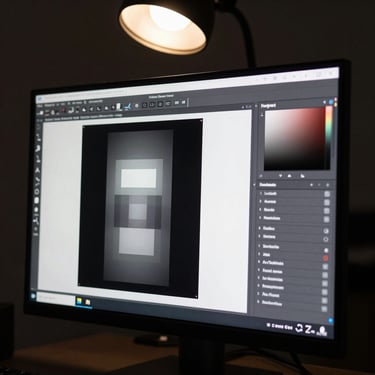
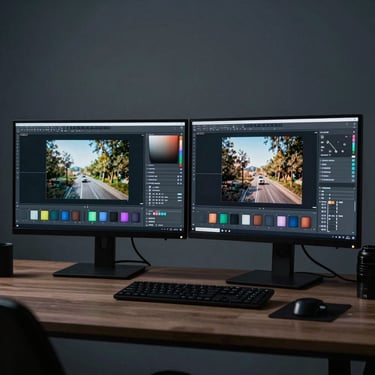

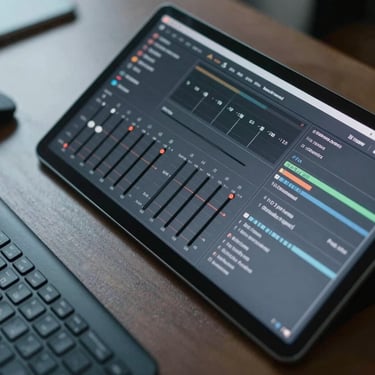
Work in progress. Decisions visible.
The stages below show how generation and editorial control operate inside a single sprint — from raw output batches to finished deliverables with clear intent behind every choice.
Bring a brief. Leave with output that carries intent.
If your brief requires speed and conceptual fidelity in the same sprint, this is the right conversation to start.